Ultimate Guide to Tanzania Safaris: Best Parks, Wildlife & Tips for 2026
Tanzania remains one of the most sought-after safari destinations in the world, attracting wildlife enthusiasts and nature lovers year after year. Its vast landscapes, abundant wildlife, and rich cultural heritage create an unmatched experience for travelers. In 2026, safaris in Tanzania promise to deliver remarkable encounters, offering opportunities to witness iconic animals, stunning scenery, and vibrant local traditions.
Top National Parks for Safaris
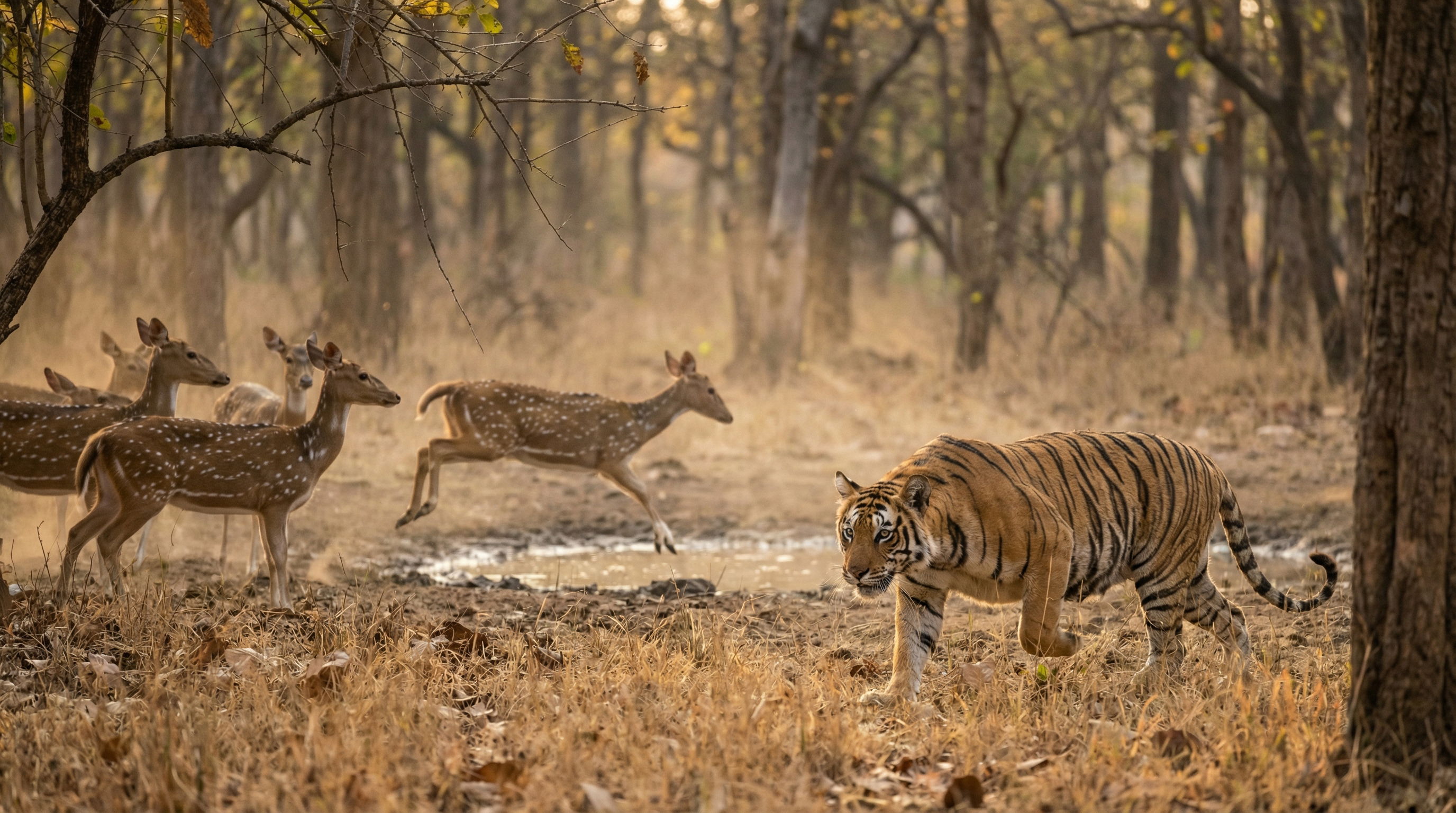
Tanzania’s national parks offer unmatched wildlife encounters across diverse landscapes.
Serengeti National Park
Serengeti National Park stands as Tanzania’s flagship wildlife reserve. It covers approximately 14,750 square kilometers of savannah, riverine forests, and grasslands. The park hosts the Great Migration, one of the world’s most impressive wildlife spectacles, where millions of wildebeest and zebras move across the plains in search of greener pastures. Visitors on Tanzania Luxury Safaris can observe predators such as lions, cheetahs, and leopards in action. Guided game drives offer the best chance to see these animals up close while ensuring safety and minimal disturbance to wildlife.
Ngorongoro Conservation Area
The Ngorongoro Crater attracts travelers with its unique volcanic formation and dense wildlife population. The crater floor houses elephants, buffalo, black rhinos, and a variety of antelopes. Its dramatic landscape and abundant animal life make it a prime location for photography. Safari tours in the Ngorongoro Crater usually combine wildlife viewing with visits to local Maasai villages, providing insight into traditional Tanzanian culture.
Tarangire National Park
Tarangire National Park remains less crowded than Serengeti or Ngorongoro, making it ideal for those who prefer a quieter safari experience. The park is famous for its large elephant herds and distinctive baobab trees. During the dry season, Tarangire’s rivers become a magnet for wildlife, offering excellent game viewing. Photographers will find the park particularly appealing, with scenic landscapes and opportunities to capture animals in natural habitats.
Lake Manyara National Park
Lake Manyara National Park offers a diverse safari experience. The park combines dense forests, freshwater lakes, and open plains, providing habitats for a variety of species. Visitors can spot tree-climbing lions, hippos, flamingos, and baboons. Lake Manyara is also home to over 400 bird species, making it a favorite for birdwatchers. Game drives here often reveal interactions between different species, offering an authentic view of Tanzania’s ecosystem.
Selous Game Reserve (Nyerere National Park)
Selous Game Reserve, also known as Nyerere National Park, ranks among the largest protected areas in Africa. It features rivers, lakes, and miombo woodlands. Safaris in Selous often include boat trips along the Rufiji River, providing a different perspective for observing crocodiles, hippos, and water birds. Its vast size ensures that wildlife encounters feel more private and natural. For travelers seeking off-the-beaten-path safaris, Selous delivers unmatched tranquility and diversity.
Wildlife Highlights
Tanzania offers some of the most diverse wildlife experiences on the planet. The Big Five—lion, leopard, elephant, buffalo, and rhinoceros—are prominent in many parks. In addition, travelers can see cheetahs, giraffes, hyenas, zebras, and wildebeest. Bird enthusiasts will enjoy spotting eagles, storks, hornbills, and flamingos. Seasonal changes affect wildlife movement, so planning a safari according to animal migration patterns increases the chances of seeing specific species.In Serengeti, visitors can witness predator-prey interactions in their natural settings. Ngorongoro provides opportunities to see rare black rhinos in open grasslands. Tarangire is ideal for elephant sightings, while Lake Manyara impresses with its bird population. Each park offers a unique combination of terrain, climate, and species, ensuring no two safaris feel identical.
Safari Activities
Safari activities in Tanzania provide close encounters with wildlife and nature in various
Game Drives
Game drives remain the cornerstone of Luxury African Safaris. Vehicles usually operate with experienced guides who track wildlife using local knowledge and observation skills. Morning and late-afternoon drives often yield the most activity, as animals are more active during cooler periods. Guides provide insight into animal behavior, habitat, and conservation efforts, enhancing the safari experience.
Walking Safaris
Walking safaris offer a closer connection to nature, allowing travelers to observe smaller animals, insects, and plants that might go unnoticed during a game drive. Professional guides emphasize safety and ensure encounters with larger predators are avoided. Walking safaris often focus on tracking signs, such as footprints and dung, providing an educational perspective on the ecosystem.
Boat Safaris
Some parks, such as Selous Game Reserve, offer boat safaris along rivers and lakes. These trips provide unique views of aquatic wildlife, including crocodiles, hippos, and various bird species. Boat safaris also allow travelers to navigate areas inaccessible by vehicle, adding variety to the overall safari experience.
Cultural Visits
In addition to wildlife, Tanzanian safaris can include visits to local communities. The Maasai, Hadzabe, and other ethnic groups maintain traditional lifestyles and share their customs with visitors. Cultural visits complement wildlife encounters, offering insight into how humans and nature coexist in Tanzania.
Safari Planning Tips for 2026
Effective planning ensures a safe, comfortable, and memorable safari experience in 2026.
Best Time to Travel
The dry season, from June to October, provides optimal conditions for wildlife viewing. Animals gather around water sources, making sightings more predictable. The wet season, from November to May, brings lush landscapes and fewer tourists. However, some roads may become difficult to navigate, and certain parks may be less accessible. Travelers should consider their priorities when selecting dates for Uganda Safaris.
Accommodation Choices
Tanzania offers a wide range of accommodations, from luxury lodges to budget-friendly campsites. Many lodges provide panoramic views, guided tours, and all-inclusive services. For a more immersive experience, tented camps situate visitors closer to nature while maintaining comfort and safety. Booking in advance ensures availability during peak safari months.
Health and Safety
Travelers should consult a medical professional about recommended vaccinations, such as yellow fever and typhoid. Malaria prophylaxis is essential, especially for visits to lowland parks. Carrying insect repellent, sunscreen, and appropriate clothing helps prevent insect bites and sunburn. Guides provide safety briefings before each activity, and travelers should follow instructions carefully to minimize risks.
Travel Logistics
Most international visitors fly into Kilimanjaro International Airport or Julius Nyerere International Airport in Dar es Salaam. From there, chartered flights or road transfers connect travelers to safari destinations. Internal flights reduce travel time between distant parks, while self-drive or guided tours provide flexibility. Planning routes in advance ensures efficient use of time and maximizes wildlife encounters.
Photography Considerations
Safari photography requires preparation. Long lenses capture distant animals without disturbing them. Tripods, extra batteries, and memory cards help ensure uninterrupted shooting. Lighting conditions vary throughout the day, with early morning and late afternoon offering the best natural light. Guides can suggest vantage points and animal-rich areas to optimize photographic opportunities.
Conservation and Responsible Tourism
Tanzania’s parks operate under strict conservation guidelines to protect wildlife and habitats. Travelers should respect park rules, avoid feeding animals, and remain within designated areas. Supporting local communities through tourism fees, cultural visits, and eco-friendly lodges contributes to sustainable development. By choosing responsible operators, travelers help preserve Tanzania’s natural heritage for future generations.
Final Thoughts
Tanzania offers unparalleled safari experiences for travelers seeking wildlife, scenic landscapes, and cultural encounters. From the vast plains of Serengeti to the dramatic Ngorongoro Crater, every park provides a distinctive atmosphere and diverse animal life. By planning carefully, choosing the right season, and following safety and conservation guidelines, visitors can maximize their enjoyment while minimizing impact on the environment.
The 2026 safari season promises remarkable opportunities for observing iconic wildlife, capturing stunning photographs, and connecting with Tanzanian culture. With its combination of natural beauty and professional safari services, Tanzania continues to stand out as a top destination for wildlife enthusiasts around the world.Uganda SafarisLuxury African SafarisLuxury African Safaris.
